


.png)




The Hidden Impact of Haze on Your Skin and Hair: Expert Advice from SJMC


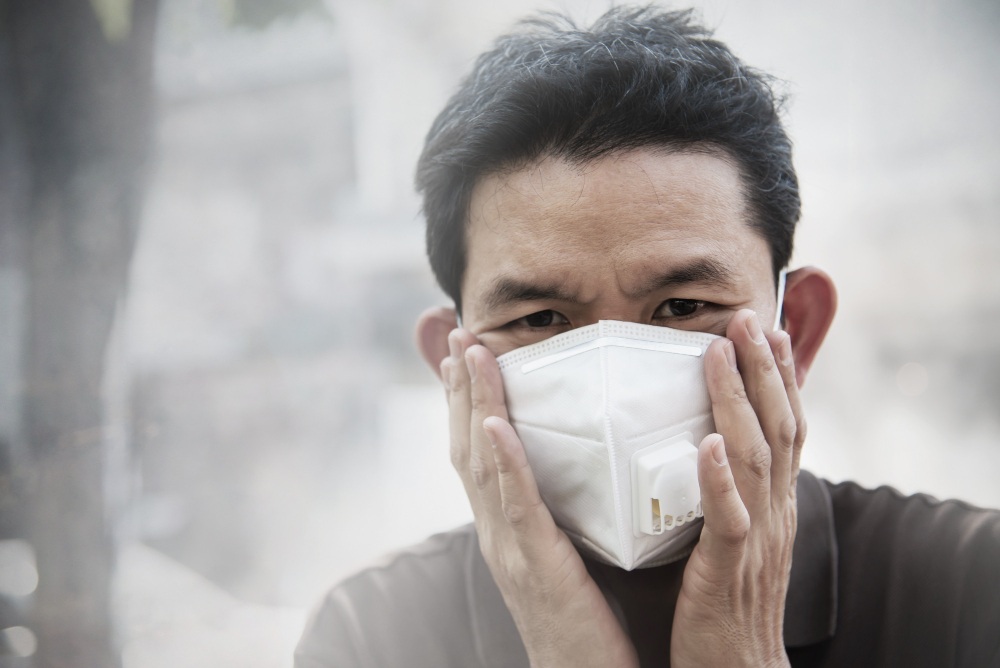
While public health warnings during haze episodes typically focus on respiratory health, medical experts are sounding the alarm on the hidden impact of pollutants on the body’s largest organ: the skin, as well as the scalp and hair.
As air quality fluctuates, fine particulate matter known as PM2.5 — particles measuring 2.5 micrometres in diameter — poses a significant risk that goes far beyond surface-level dirt.
Dr. Kwan Zhenli, a consultant dermatologist and dermatologic surgeon at Subang Jaya Medical Centre, explains that haze consists of particulate matter from smoke, dust, moisture, and vapour suspended in the air that impairs visibility and directly harms the body.
How Haze Damages the Skin
The microscopic size of particulate matter allows it to penetrate deep beyond the skin's surface.
“Particulate matter in haze can penetrate the skin, causing oxidative stress and inflammation,” says Dr. Kwan. “Haze also alters the skin microbiome composition, which can impair the skin’s barrier function. Air pollutants synergise with UV radiation to worsen oxidative skin damage, as pollution-related changes to the ozone layer allow greater UV transmission to the earth’s surface.”

“Particulate matter in haze can penetrate the skin, causing oxidative stress and inflammation,” says Dr. Kwan.
The Effect on Hair and Scalp
It isn't just skin that suffers during heavy haze episodes; your scalp and hair follicles are equally exposed to environmental stress.
Dr. Kwan notes that for hair, “particulate matter can trigger inflammatory responses in the hair follicle, causing chemical and oxidative damage that leads to loss of shine, structural weakening, and hair loss, including conditions such as alopecia areata.”
Why Children Are More Vulnerable
While adults experience notable skin and hair irritation, children are particularly at risk during periods of high pollution due to their habits and stage of development.
Dr. Kwan emphasizes that children are “more susceptible to the effects of haze as they typically spend longer time outdoors, are more physically active, and have developing respiratory systems that are more vulnerable to the effects of particulate matter.”
Steps to Protect Yourself
To minimize exposure and protect your skin and overall health during haze episodes, Dr. Kwan suggests following a proactive daily routine:
- Stay indoors as much as possible to limit direct exposure to airborne particles.
- Use air purifiers inside the home to keep indoor air clean.
- Drink plenty of water to keep the body hydrated and support skin resilience.
- Eat a healthy diet rich in antioxidants to combat internal oxidative stress.
Source: Malay Mail