





.png)




Headache: Could It Be a Sign of a Brain Tumour? | SJMC



Headaches are something almost everyone experiences from time to time. Often, they are nothing more than a sign of tiredness, stress or a minor illness. But in some cases, a headache can signal a more serious underlying condition.
So, how can you tell when a headache is nothing to worry about and when it may require urgent medical attention?
Three neurosurgeons explain the different types of headaches, the warning signs you should not ignore, and when it is time to seek medical advice.

Dr Ravindran Karuppiah
A headache is a symptom, not a disease
Most headaches are harmless. However, a headache that comes on suddenly and severely, particularly when accompanied by neurological symptoms such as weakness or difficulty speaking, should never be ignored.
Dr. Ravindran Karuppiah, Consultant Neurosurgeon at SJMC, explained that a headache is not a disease in itself, but a symptom that can have many different causes.
“Headaches can affect people of any age. Broadly speaking, we classify headaches into two main categories: primary headaches and secondary headaches.
“Primary headaches are those in which the headache itself is the underlying problem, rather than a symptom of another condition. The most common types include migraine, tension-type headache and cluster headache.
“Secondary headaches, on the other hand, are caused by an underlying health condition, such as high blood pressure, sinus or eye infections, or, in very rare cases, a brain tumour.”
While headaches caused by brain tumours account for only a very small proportion of all headache cases, Dr. Ravindran stressed that persistent or unusual symptoms should not be dismissed. Early diagnosis, regardless of the underlying cause, can be important in achieving better treatment outcomes and prognosis.

Dr Azizi bin Abu Bakar
When a sudden, severe headache is an emergency
One of the most important warning signs is a headache that develops suddenly and reaches its maximum intensity within seconds or minutes. This is often referred to as a “thunderclap headache”.
Dr. Azizi bin Abu Bakar, Consultant Neurosurgeon at SJMC, explained that some severe headaches can be linked to problems involving the brain’s blood vessels.
“Headaches caused by vascular factors are mainly due to abnormalities in the constriction and dilation of blood vessels inside or outside the skull. One particularly dangerous vascular cause of headache is a ruptured aneurysm, which occurs when a cerebral aneurysm bursts, causing a subarachnoid haemorrhage.”
Dr Azizi described this as potentially the most severe headache a person may ever experience — a sudden, explosive pain that can feel as though they have been struck forcefully on the head. Some patients may even lose consciousness within moments.
A ruptured aneurysm is a medical emergency. Patients can deteriorate rapidly, and some may die before reaching hospital. Even among those who receive treatment, recovery can vary considerably.
This is why a sudden, severe headache that feels unlike anything experienced before should be treated as an emergency. Do not wait for the pain to subside — seek immediate medical attention.

Professor Stephen Price
Brain tumour symptoms may not start with a headache
Interestingly, headache is not always the first symptom of a brain tumour.
Professor Stephen Price, Professor of Neurosurgical Oncology and Honorary Consultant Neurosurgeon at the University of Cambridge, UK, said, “People often assume that headache is the first symptom of a brain tumour. However, our research shows that only around 20–25% of patients with brain tumours experience headaches in the early stages.
“More commonly, the first signs involve changes in cognitive function. For example, patients may find that work feels more difficult than it used to, or that they need to think harder or repeatedly before they can understand something.
“Many people may dismiss these symptoms as part of ageing or stress. However, if the symptoms persist and do not improve, they should be taken seriously.”
Subtle changes in how a person thinks, remembers, concentrates or carries out everyday tasks may therefore deserve attention, particularly when they are persistent or progressively getting worse.

🧠 Three headache warning signs you should not ignore
Most headaches do not indicate a serious condition. However, the three experts recommend seeking medical attention if you experience any of the following warning signs.
A sudden, severe headache
A headache that reaches its peak intensity within seconds or minutes and feels unlike any headache you have experienced before can be a sign of a serious condition, including bleeding in or around the brain.
This type of headache is commonly known as a thunderclap headache and requires urgent medical assessment.
A headache accompanied by neurological symptoms
Seek medical attention if your headache is accompanied by symptoms such as:
- Weakness or numbness in the limbs, particularly on one side of the body
- Difficulty speaking or understanding speech
- Slurred speech Unsteadiness when walking or loss of balance
- Confusion or changes in cognitive function
- Problems with concentration or memory
Some of these symptoms can be subtle and easy to overlook. In people with brain tumours, early signs may include feeling that something is “not quite right”, slowed thinking, difficulty planning tasks, problems concentrating or declining memory.A significant change in your usual headache pattern
Pay attention if your headaches suddenly become more frequent, more severe or different in nature.
For example, some people may be woken from sleep by headaches or experience particularly severe headaches in the morning. Headaches accompanied by nausea or vomiting may also warrant further assessment, particularly when they represent a new or significant change.
The key is not simply how painful the headache is, but whether it is different from what you normally experience and whether other symptoms are present.
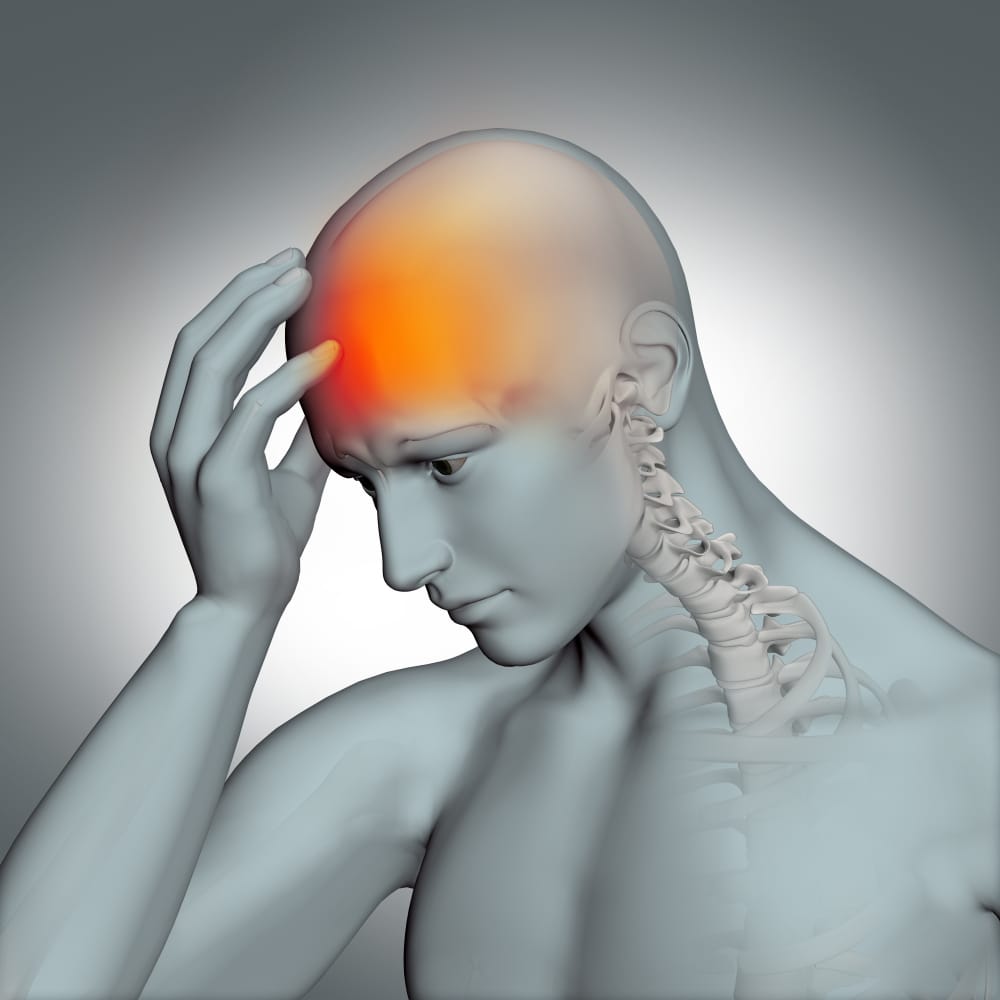
🧠 Understanding the common types of headaches
According to the World Health Organization (WHO), headache disorders are among the most common disorders of the nervous system. Migraine alone ranked third in terms of the overall burden of neurological disorders in 2021, based on age-standardised disability-adjusted life years (DALYs).
Headache disorders can have a significant impact on quality of life, contributing to disability and personal, social and economic burdens.
Yet headaches are often underestimated, and many people do not receive appropriate diagnosis or treatment. Understanding the different types of headaches can help you recognise what may be typical for you — and identify when something has changed.
Primary headaches
Primary headaches occur when the headache itself is the underlying condition, rather than a symptom of another disease.
Migraine
Migraine is one of the best-known primary headache disorders, but it is much more complex than simply having “a headache on one side”.
It is typically a lifelong condition characterised by recurrent attacks. A migraine attack usually lasts between four and 72 hours and may be accompanied by nausea, vomiting, sensitivity to light and sensitivity to sound.
Some people also experience an aura, which may involve visual disturbances, sensory changes or other neurological symptoms before or during an attack.
The exact cause of migraine is not fully understood. It is thought to involve complex interactions between nerves and blood vessels in the head, including the release of inflammatory substances that contribute to pain.
Common triggers may include stress, alcohol, lack of sleep, hormonal changes and dehydration, particularly in hot weather.
Cluster headache
Cluster headache is a relatively uncommon primary headache disorder characterised by frequent, recurring attacks, sometimes occurring several times a day.
The pain is extremely severe and usually centred around or behind one eye. The affected eye may become red and watery, while the nostril on the same side may become blocked or runny. The eyelid may also droop.
Attacks are typically short-lived but can recur repeatedly over a period of time. Most patients develop cluster headaches in their twenties or later.
Tension-type headache
Tension-type headache is the most common type of headache. The pain may feel like a tight band or pressure around the head, almost as though the head is being squeezed.
The discomfort can sometimes extend into the neck or originate from the neck. It is usually mild to moderate in intensity, dull rather than throbbing, and commonly affects both sides of the head, particularly around the temples, forehead and back of the head.
Stress and musculoskeletal problems involving the neck may contribute to tension-type headaches. They often begin during adolescence and are more common in women than men.
Secondary headaches
Unlike primary headaches, secondary headaches are caused by an underlying condition.
Possible causes include brain tumours, brain haemorrhage, infections and medication overuse. The severity of a secondary headache depends on its underlying cause.
This is why it is important to pay attention to warning signs, particularly if a headache is new, persistent, significantly different from usual or accompanied by neurological symptoms.
Medication-overuse headache
According to WHO, medication overuse is the most common secondary headache disorder.
It can occur when headache medication is used too frequently or excessively over a prolonged period. It is more common among women and may cause persistent, pressing pain that is often worst upon waking.
If you find yourself regularly relying on painkillers to manage recurring headaches, speak to a healthcare professional rather than simply increasing the frequency or dosage yourself.

💊 What can you do to manage headaches?
While not all headaches can be prevented, healthy lifestyle habits can help reduce the frequency and severity of some common types of headache, including migraine and tension-type headache.
Stay hydrated and maintain a regular sleep routine
Drink enough water throughout the day and aim for consistent sleep patterns. Dehydration and inadequate sleep can contribute to headaches in some people.
Manage stress and screen time
Stress can trigger or worsen certain types of headaches. Taking regular breaks from screens, practising relaxation techniques and finding healthy ways to manage stress may help.
Use painkillers responsibly
Taking painkillers too frequently can contribute to medication-overuse headaches and may have other health consequences. If your headaches are not responding to your usual medication, seek medical advice rather than increasing the dose or taking medication more frequently on your own.
Know what is normal for you
Pay attention to your usual headache pattern. If the frequency, severity or nature of your headaches changes, or if you develop new symptoms, consider speaking to a healthcare professional.
🩺 When should you see a doctor?
Most headaches are not caused by a serious condition. However, a headache that is sudden and severe, accompanied by neurological symptoms, or significantly different from your usual headaches should be assessed promptly.
If you experience any of the warning signs discussed above, seek medical attention without delay.
When it comes to headaches, knowing what is normal for you — and recognising when something has changed — can make all the difference. Early assessment can help identify the underlying cause and, where necessary, allow treatment to begin as soon as possible.
Source: China Press
Concerned about your brain health? Discover our Neuroscience & Brain Health services and learn how our specialists can support you.