




.png)




Why Are Younger Adults Being Diagnosed With Colorectal Cancer?


For decades, colorectal cancer was largely considered a disease affecting adults over the age of 50. Today, however, that perception is changing. Increasingly, doctors around the world are seeing younger adults being diagnosed with colorectal cancer, raising concerns about a worrying global trend.
While Malaysia has yet to see the same dramatic rise reflected in national data, specialists say the disease is becoming an issue that everyone—not just older adults that should be aware of.
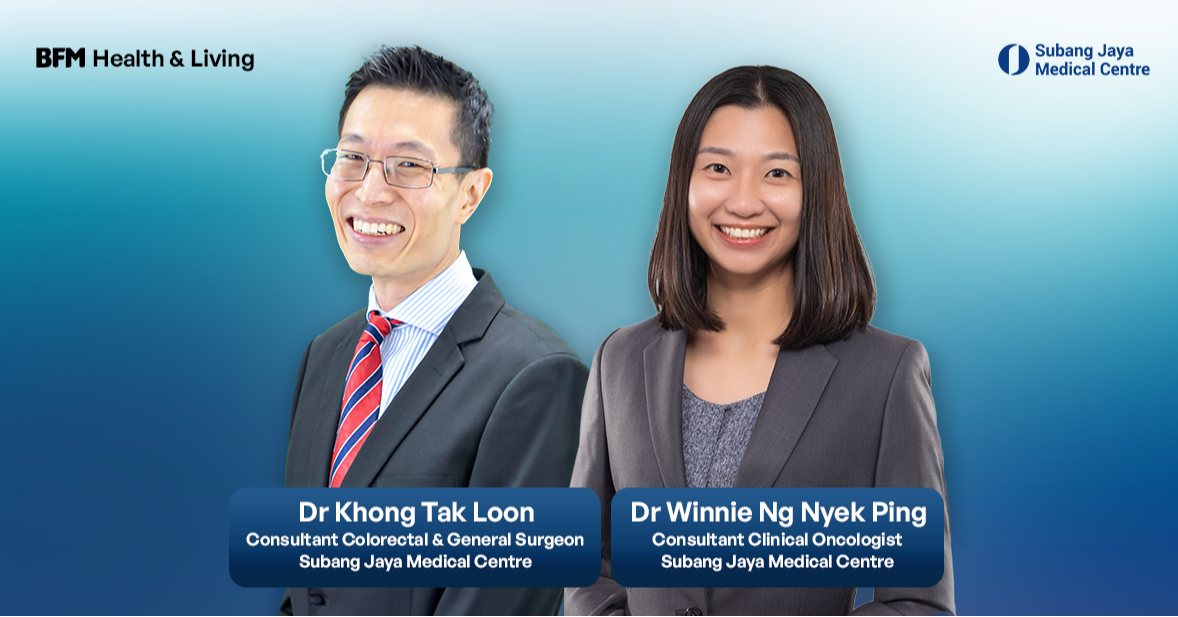
Speaking on BFM's Health & Living, Dr Khong Tak Loon, Consultant Colorectal & General Surgeon, and Dr Winnie Ng, Consultant Clinical Oncologist, both from Subang Jaya Medical Centre, discussed why early-onset colorectal cancer deserves greater attention, and why screening remains our strongest defence.
A Growing Concern Among Younger Adults
According to Dr Khong, colorectal cancer remains one of the most common cancers in Malaysia, ranking as the second most common cancer overall and the most common cancer among Malaysian men.
"When we talk about early-onset colorectal cancer, we are referring to patients who are diagnosed below the age of 50. Data from the 1990s till now shows that the incidence affecting this cohort seems to be rising. The concern is that it's affecting more younger people based on the data that we see from the Western world," said Dr Khong.
Although researchers have yet to identify a single cause, lifestyle, environmental factors, diet, obesity and changes in the gut microbiome are among the factors currently being investigated.
Why Younger Patients Face Unique Challenges
One of the biggest concerns is that younger adults often don't believe they are at risk of cancer. Dr Winnie explained that symptoms are frequently overlooked because many young people assume they are too healthy to develop colorectal cancer.
"Being young and in the prime of their lives, they may not initially be aware of the symptoms and tend to take them very lightly, not thinking that it could be something sinister," she explained.
As a result, diagnosis is often delayed. Younger patients may also experience more aggressive disease, requiring longer and more intensive treatment.
Why Screening Matters More Than Ever
Despite advances in treatment, both doctors agreed that prevention and early detection remain the best ways to reduce deaths from colorectal cancer. Dr Khong highlighted that many Malaysians decline screening simply because they feel healthy.
"People feel that they don't need screening because they are asymptomatic. But that's not the case. It's better to discover the disease early and do something curative with minimal effects on quality of life than to wait until invasive surgery is needed and survival rates are poorer."
He also highly recommended bowel cancer screening for adults aged 50 and above, beginning with a stool test followed by colonoscopy if necessary. Individuals with a strong family history or other risk factors may need to begin screening earlier.
Know the Warning Signs
One reason colorectal cancer is often diagnosed late is because its symptoms can be mistaken for less serious digestive problems. Dr Khong advises people not to ignore persistent symptoms, particularly if they represent a change from what is normal for them.
Common warning signs include:
- Rectal bleeding
- Persistent changes in bowel habits
- Unexplained weight loss
- Abdominal pain
- Loss of appetite
- Persistent bloating
"Seeing blood in your motions isn't normal. If there is a significant change in your normal bowel habit, that is an alarming sign and you definitely need to seek medical advice."
Treatment Has Come a Long Way
The good news is that treatment for colorectal cancer has advanced significantly over the past decade. Dr Winnie explained that treatment is tailored according to the stage of the disease. Early-stage cancers are often treated with surgery, while more advanced cases may require chemotherapy, radiotherapy, targeted therapies or immunotherapy based on the tumour's genetic profile.
"Nowadays we are looking into molecular testing, where we identify genetic alterations and personalise treatment accordingly."
Equally important, supportive care has improved dramatically.
"Supportive medication before and after chemotherapy is now very advanced. Patients today are generally able to undergo treatment much more smoothly and with a better quality of life."
Early Detection Saves Lives
While researchers continue investigating why colorectal cancer is increasingly affecting younger adults, one message remains clear: age should no longer be the only factor determining who pays attention to bowel health.
As Dr Khong reminded listeners, colorectal cancer is common, but it is also one of the few cancers that can often be prevented through screening by detecting and removing precancerous polyps before they become cancer. The takeaway is simple: know your risk, don't ignore symptoms, and don't wait until it's too late to get checked.
"Screening is the only sure way that we can beat this condition. We know that it works because countries with well-established screening programmes are already seeing mortality and incidence rates dropping from colorectal cancer," concluded Dr Khong Tak Loon.
Source: BFM