





.png)






Organ & Stem Cell Donation
One pledge saves lives.
Blood Stem Cell Donation
Give Someone a Second Chance at Life
Beyond organ donation, you can make a life-changing difference by registering as a blood stem cell donor. For patients with serious blood disorders such as leukemia and lymphoma, a stem cell transplant may offer the best and sometimes only chance at recovery.
Blood stem cell transplants depend on the generosity of volunteer donors, yet many patients are still waiting for a suitable match.
You can make a difference. By joining the registry, you could one day provide the lifesaving match a patient has been hoping for, offering renewed health, hope, and the possibility of a brighter future.
What Are Blood Stem Cells?
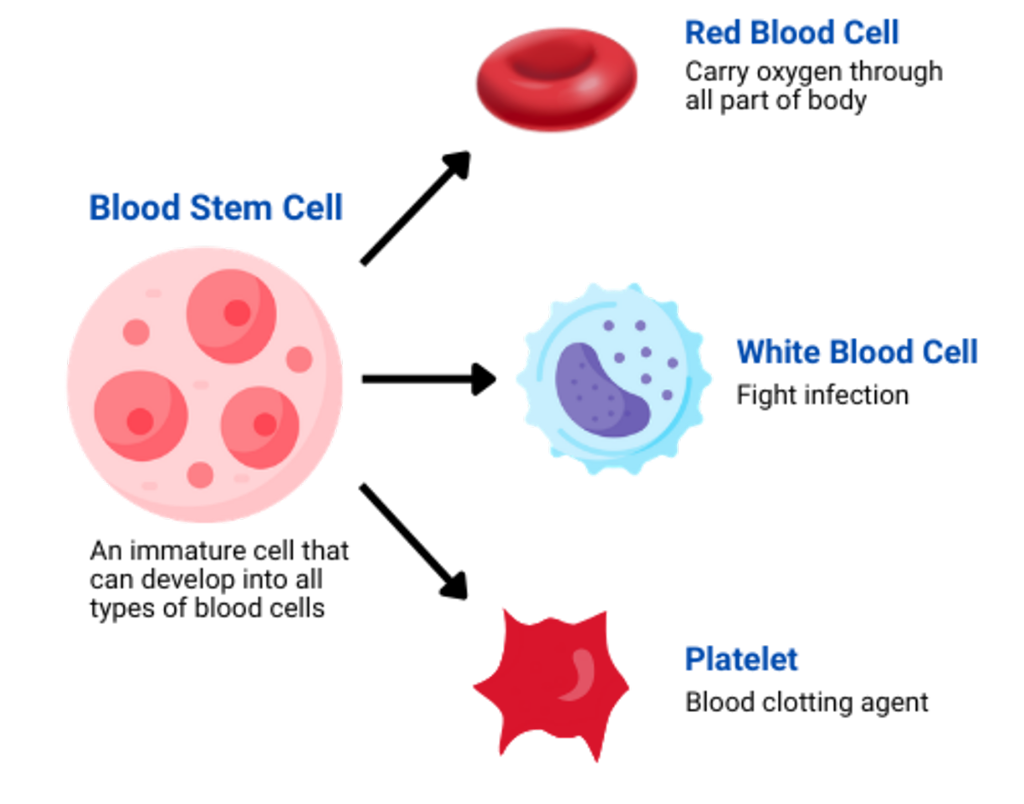
Blood stem cells are the “mother cells” in your body that can make all the different kinds of blood cells, including red blood cells, white blood cells, and platelets. These cells play a vital role in supporting the immune system and helping the body fight infections and disease.
When collected from the bloodstream, they are known as peripheral blood stem cells and can be safely used in transplants to replace damaged or diseased cells.
Why Are Blood Stem Cells Needed?
Blood stem cell transplants are used to treat patients with serious and potentially life threatening conditions such as:
- Leukemia
- Lymphoma
- Thalassemia
- Aplastic anemia
- Multiple myeloma
- Other blood related disorders
For many patients, a transplant restores the body’s ability to produce healthy blood cells and may offer the opportunity for recovery and improved quality of life.
How Can I Pledge to Be Stem Cell Donor?
- Blood stem cell donation can be done via Malaysian Stem Cell Registry (MSCR)
- Before becoming a donor, you will undergo a simple laboratory test known as Human Leukocyte Antigen (HLA) typing to determine if your tissue type matches that of a patient in need.
- This test involves a quick and painless cheek swab, and your details will be securely recorded in the national registry
Who Is Eligible to Register?
You may register as a blood stem cell donor if you are:
- Between 18 and 50 years old
- A Malaysian citizen
- Generally healthy with no known blood disorders
Every new registration increases the likelihood of finding a life saving match for patients awaiting transplantation.
Blood Stem Cell Donation Registration Process
Step 1: Provide Your Consent
1.You can choose to register through either option below:
A. Physically at MSCR office (by appointment basis)
Make an appointment: Waktu Pilihan Temujanji Daftar MSCR
B. Remote Registration: Malaysian Stem Cell Registry (Remote Registration)
After online registration, you will receive a confirmation call and message from MSCR. A buccal swab kit will then be sent to your house.
Step 2: Complete a Simple Cheek Swab
A buccal swab will be taken to collect your DNA sample for compatibility testing.
Step 3: Undergo Lab Test for HLA Typing
A laboratory test called Human Leukocyte Antigen typing, or HLA typing, will be performed to determine if your tissue type is a match for a patient in need.
Step 4: Join the Registry
Your results will be recorded securely in the national database.
Step 5: Wait to Be Matched
You will only be contacted if you are identified as a potential match.
What Happens If You Are a Match?
If a suitable match is found:
- The Malaysian Stem Cell Registry will contact you
- Health screening and counselling will be conducted
- Donation will proceed only with your full consent
Your safety, wellbeing, and comfort are always prioritised throughout the process.
How Are Blood Stem Cells Collected?
The most common method is called apheresis, a safe and carefully monitored procedure.
What to expect during the blood stem cell collection procedure (Apheresis Method):
- The whole donation process takes about 1 week.
- Prior to collecting the stem cells, the donor will be given an injection to help the body produce more stem cells and move them into the bloodstream so they can be collected for donation.
- During the apheresis process, the donor’s blood will flow into a machine, which will isolate the stem cells from the normal blood.
- Blood components other than the stem cells will flow out of the machine and be returned to the donor’s body. The apheresis process takes about 4 hours.
- The collected stem cells are typically given to the patient on the same day.
For more information, visit Malaysian Stem Cell Registry
Your Choice Matters
Registering as a donor does not mean you are committing to donate immediately.
You will only proceed if you are matched with a patient, and you may decide whether to continue at that time.
Ready to Make a Difference?
Learn More About Living Organ Donor Transplants
Organ transplantation offers life-saving treatment options for patients with organ failure. Learn more about these how these living donor transplants work.