





.png)




Beyond the Feast: Why Festive Health is About Strategy, Not Starvation | SJMC


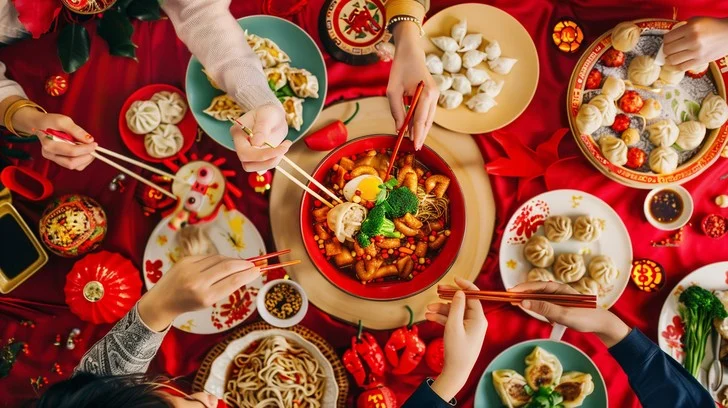
Chinese New Year is a marathon of joy, reunion, and—let’s be honest—an endless parade of food. For those managing chronic conditions like diabetes, hypertension, or obesity, the festive season often feels like a choice between total deprivation or total indulgence.
However, Dr. Chiew Ken Seng, Consultant Endocrinologist at Subang Jaya Medical Centre (SJMC), suggests a middle ground. With over half of Malaysians classified as overweight, the goal isn’t to survive on bland meals while others feast. It’s about scientific portion control and outsmarting the "hidden traps" on the snack table.
The Reality Check: 7 in 10 Malaysians Are at Risk
While the holidays are a time for celebration, they are also a peak period for high-calorie indulgence that can lead to "post-festival syndrome"—a sharp decline in health indicators once the decorations come down.
The statistics are a wake-up call. According to the National Health and Morbidity Survey (NHMS):
- Using a BMI of 25 as the cutoff, 54.4% of Malaysians are overweight or obese.
- However, Dr. Chiew notes that if we use the more stringent (and recommended) BMI cutoff of 23, that number jumps to 70%.
"In other words, seven out of every ten people are facing potential health risks," says Dr. Chiew. Obesity is a primary driver for diabetes and hypertension, fueled by a long-term diet heavy in refined carbohydrates like rice, noodles, and white bread.

Dr. Chiew Ken Seng highlights that celebrating the New Year healthily is about scientific portion control rather than completely avoiding festive foods.
Navigating the "Hidden Landmines" of Festive Visiting
In our multicultural landscape, "eating" is often the primary activity during house visits. For those with chronic conditions, these visits can be nutritional minefields.
The Maths of a House Visit:
- One Pineapple Tart: ~140 calories.
- One Box of Chrysanthemum Tea: 100–200 calories.
If you visit five houses in a day and accept a drink and two tarts at each, you’ve consumed over 1,000 extra calories before dinner even starts.
Dr. Chiew’s Advice:
- For Hosts: Offer healthier alternatives like sugar-free homemade tea, plain nuts, or fresh fruit.
- On Alcohol: Be cautious. Alcohol interferes with blood sugar regulation. Small amounts can cause spikes, while excessive intake can lead to dangerous hypoglycaemic episodes.
The Reunion Dinner: Order Matters
The reunion dinner is the heart of the celebration, but you don't have to skip the rice to stay healthy. Research shows that the sequence in which you eat significantly impacts your blood sugar.
The Pro-Health Eating Sequence:
- Vegetables first: Fibre slows down sugar absorption.
- Protein second: Fish or chicken provides satiety.
- Carbohydrates last: Rice or noodles should be the final step.
Cooking Tip: Prioritise steaming and braising over deep-frying. Be wary of sauces; many are "sugar traps" in disguise.
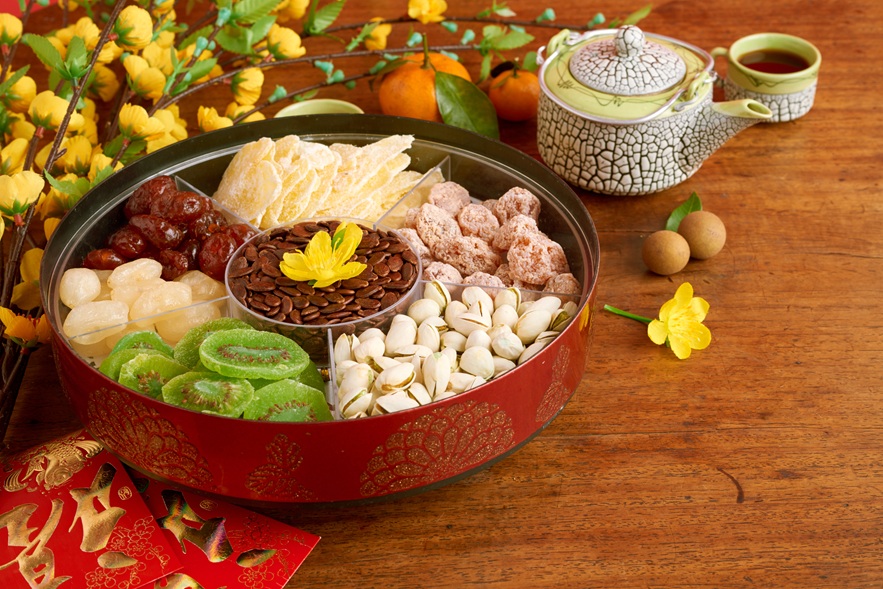
With portion control and informed choices, people with chronic conditions can enjoy a festive and healthy New Year.
Busting the "Post-Festive" Myths
When the guilt of indulgence hits, many turn to extreme diets. Dr. Chiew warns that these are often counterproductive:
- Myth 1: Extreme Intermittent Fasting (IF) or OMAD (One Meal a Day).
The Reality: Consistency is key for chronic disease management. Sudden, drastic changes can cause blood sugar to fluctuate wildly, making control harder, not easier. - Myth 2: Swapping Rice for Biscuits or Bread.
The Reality: Two slices of bread or a handful of biscuits contain roughly the same calories and carbs as a bowl of rice. There is no real metabolic advantage here.
Technology to the Rescue
For patients with severe conditions or those on insulin, Dr. Chiew recommends Continuous Glucose Monitoring (CGM). This 24-hour sensor allows you to see how specific festive foods affect your body in real-time, allowing for smarter adjustments rather than guesswork.
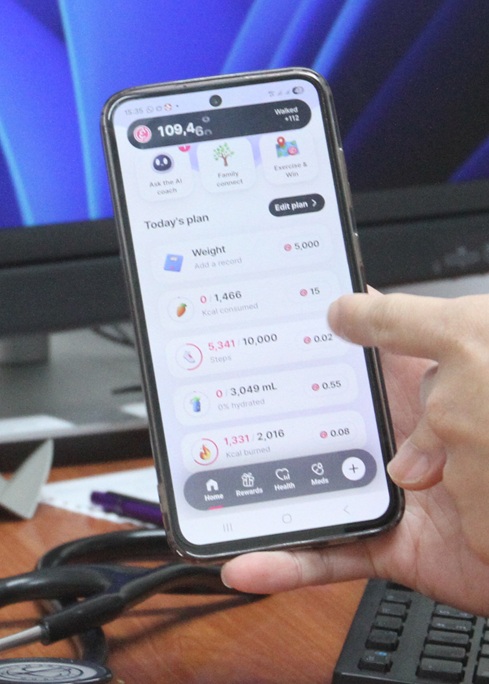
Technology-enabled blood glucose monitoring allows timely adjustments to diet and medication.
Your "New Year, Same Health" Checklist
To keep your health on track without losing the festive spirit, remember these four pillars:
- Choose Whole Foods: Opt for minimally processed items. Limit preserved meats like lap cheong (cured sausages).
- Prioritise Lean Protein: Choose fish and poultry over red meats like pork.
- Swap Your Starch: Use brown rice to increase fibre and lower the glycaemic index.
- Watch the Liquids: Stick to plain water or unsweetened tea. If you’re having milk tea, go for zero sugar and be mindful of the calories in the milk itself.
"We may only indulge for a week," Dr. Chiew concludes, "but losing the two kilograms gained during that time often takes two months. The goal is to return to your routine and regular exercise as quickly as possible."
Take Charge of Your Health This Festive Season
Concerned about your health markers after the celebrations? Schedule a consultation with our specialists at Diabetes Care Services or explore our comprehensive metabolic health screenings.
Expert Insight Provided By:
Dr. Chiew Ken Seng
Consultant Endocrinologist & Internal Medicine Physician, SJMC
Dual-trained (MRCP UK) in Internal Medicine and Endocrinology, Dr. Chiew specialises in metabolic health and research-based, individualised treatment plans for diabetes and endocrine disorders.
Source: Nan Yang Siang Pau