





.png)




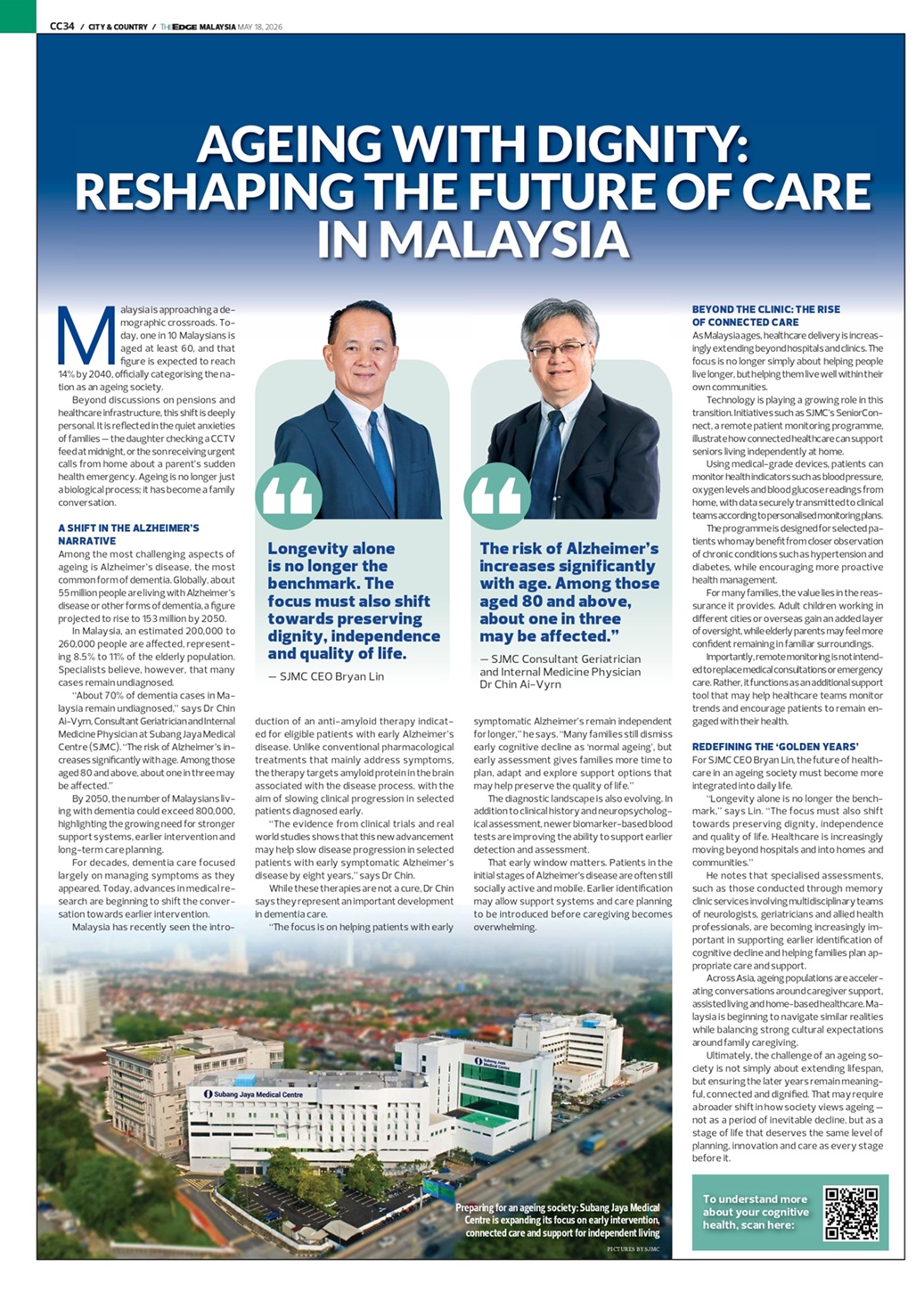
Ageing with Dignity: Reshaping the Future of Care in Malaysia


Malaysia is approaching a demographic crossroads. Today, one in 10 Malaysians is aged at least 60, and that figure is expected to reach 14% by 2040, officially categorising the nation as an ageing society.
Beyond discussions on pensions and healthcare infrastructure, this shift is deeply personal. It is reflected in the quiet anxieties of families — the daughter checking a CCTV feed at midnight, or the son receiving urgent calls from home about a parent’s sudden health emergency. Ageing is no longer just a biological process; it has become a family conversation.
A shift in the Alzheimer’s narrative
Among the most challenging aspects of ageing is Alzheimer’s disease, the most common form of dementia. Globally, about 55 million people are living with Alzheimer’s disease or other forms of dementia, a figure projected to rise to 153 million by 2050.
In Malaysia, an estimated 200,000 to 260,000 people are affected, representing 8.5% to 11% of the elderly population. Specialists believe, however, that many cases remain undiagnosed.
“About 70% of dementia cases in Malaysia remain undiagnosed,” says Dr Chin Ai-Vyrn, Consultant Geriatrician and Internal Medicine Physician at Subang Jaya Medical Centre (SJMC). “The risk of Alzheimer’s increases significantly with age. Among those aged 80 and above, about one in three may be affected.”
By 2050, the number of Malaysians living with dementia could exceed 800,000, highlighting the growing need for stronger support systems, earlier intervention and long-term care planning.
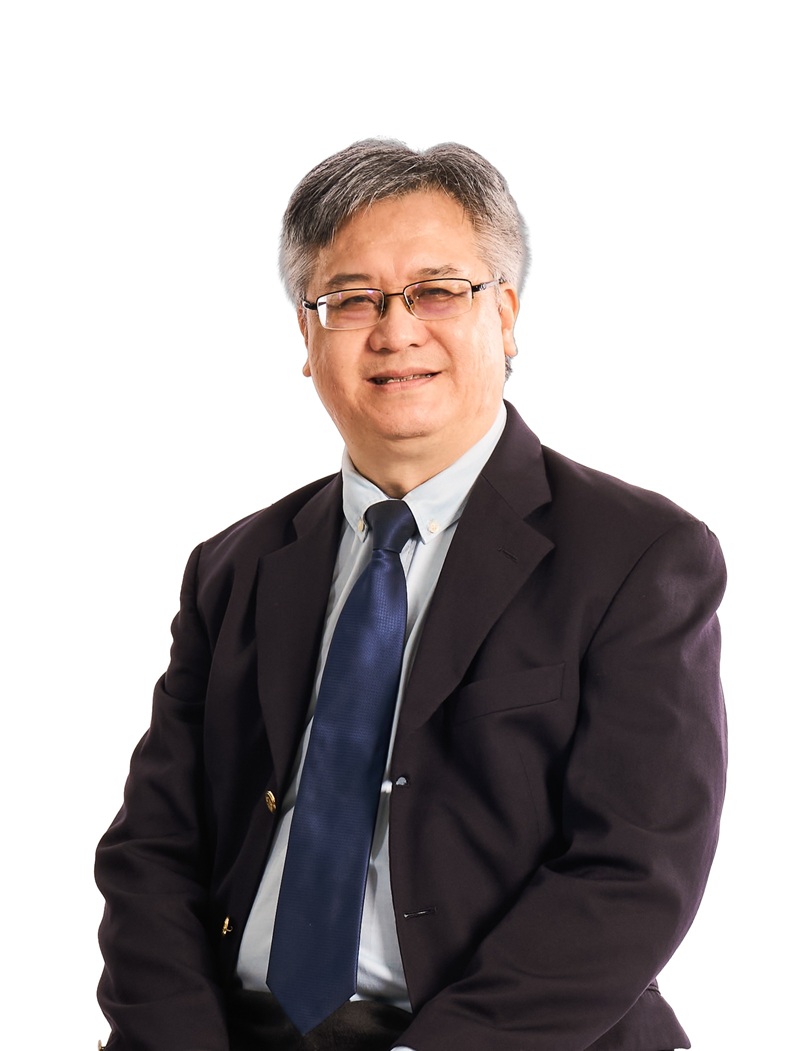
"The risk of Alzheimer’s increases significantly with age. Among those aged 80 and above, about one in three may be affected.”
— SJMC Consultant Geriatrician and Internal Medicine Physician Dr Chin Ai-Vyrn
For decades, dementia care focused largely on managing symptoms as they appeared. Today, advances in medical research are beginning to shift the conversation towards earlier intervention.
Malaysia has recently seen the introduction of an anti-amyloid therapy indicated for eligible patients with early Alzheimer’s disease. Unlike conventional pharmacological treatments that mainly address symptoms, the therapy targets amyloid protein in the brain associated with the disease process, with the aim of slowing clinical progression in selected patients diagnosed early.
“The evidence from clinical trials and real world studies shows that this new advancement may help slow disease progression in selected patients with early symptomatic Alzheimer’s disease by eight years,” says Dr Chin.
While these therapies are not a cure, Dr Chin says they represent an important development in dementia care.
“The focus is on helping patients with early symptomatic Alzheimer’s remain independent for longer,” he says. “Many families still dismiss early cognitive decline as ‘normal ageing’, but early assessment gives families more time to plan, adapt and explore support options that may help preserve the quality of life.”
The diagnostic landscape is also evolving. In addition to clinical history and neuropsychological assessment, newer biomarker-based blood tests are improving the ability to support earlier detection and assessment.
That early window matters. Patients in the initial stages of Alzheimer’s disease are often still socially active and mobile. Earlier identification may allow support systems and care planning to be introduced before caregiving becomes overwhelming.
Beyond the clinic: The rise of connected care
As Malaysia ages, healthcare delivery is increasingly extending beyond hospitals and clinics. The focus is no longer simply about helping people live longer, but helping them live well within their own communities.
Technology is playing a growing role in this transition. Initiatives such as SJMC’s SeniorConnect, a remote patient monitoring programme, illustrate how connected healthcare can support seniors living independently at home.
Using medical-grade devices, patients can monitor health indicators such as blood pressure, oxygen levels and blood glucose readings from home, with data securely transmitted to clinical teams according to personalised monitoring plans.
The programme is designed for selected patients who may benefit from closer observation of chronic conditions such as hypertension and diabetes, while encouraging more proactive health management.
For many families, the value lies in the reassurance it provides. Adult children working in different cities or overseas gain an added layer of oversight, while elderly parents may feel more confident remaining in familiar surroundings.
Importantly, remote monitoring is not intended to replace medical consultations or emergency care. Rather, it functions as an additional support tool that may help healthcare teams monitor trends and encourage patients to remain engaged with their health.
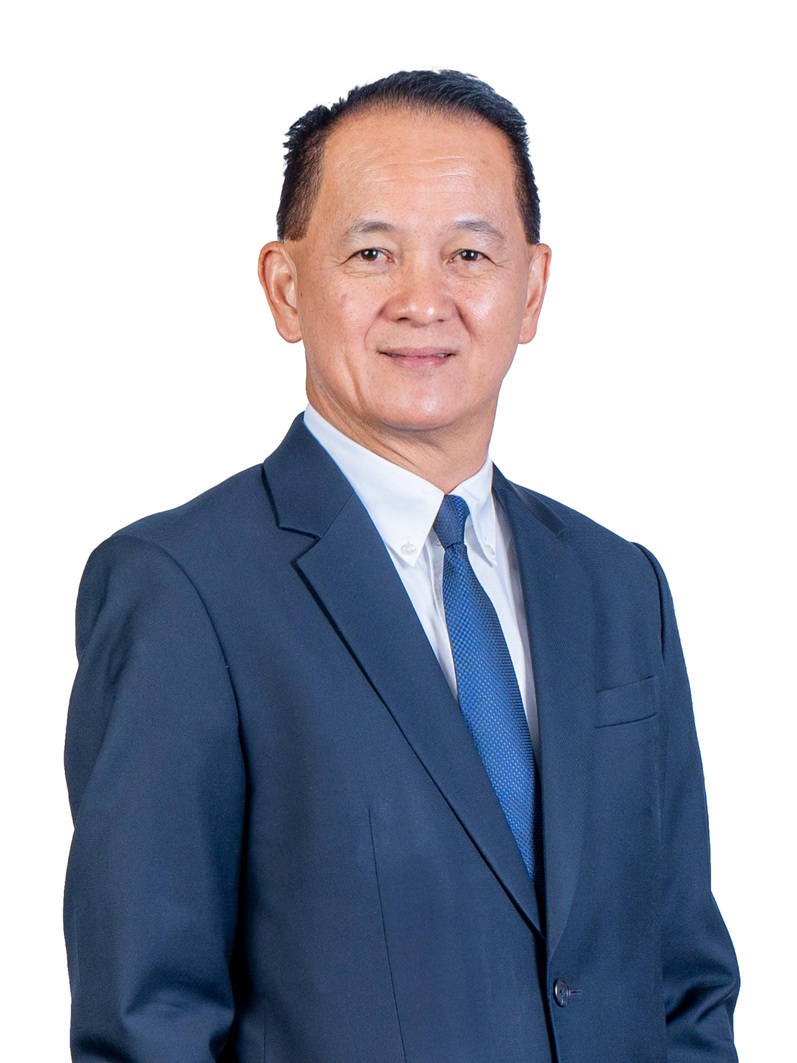
"Longevity alone is no longer the benchmark. The focus must also shift towards preserving dignity, independence and quality of life."
— SJMC CEO Bryan Lin
Redefining the ‘golden years’
For SJMC CEO Bryan Lin, the future of healthcare in an ageing society must become more integrated into daily life.
“Longevity alone is no longer the benchmark,” says Lin. “The focus must also shift towards preserving dignity, independence and quality of life. Healthcare is increasingly moving beyond hospitals and into homes and communities.”
He notes that specialised assessments, such as those conducted through memory clinic services involving multidisciplinary teams of neurologists, geriatricians and allied health professionals, are becoming increasingly important in supporting earlier identification of cognitive decline and helping families plan appropriate care and support.
Across Asia, ageing populations are accelerating conversations around caregiver support, assisted living and home-based healthcare. Malaysia is beginning to navigate similar realities while balancing strong cultural expectations around family caregiving.
Ultimately, the challenge of an ageing society is not simply about extending lifespan, but ensuring the later years remain meaningful, connected and dignified. That may require a broader shift in how society views ageing — not as a period of inevitable decline, but as a stage of life that deserves the same level of planning, innovation and care as every stage before it.
Source: The Edge